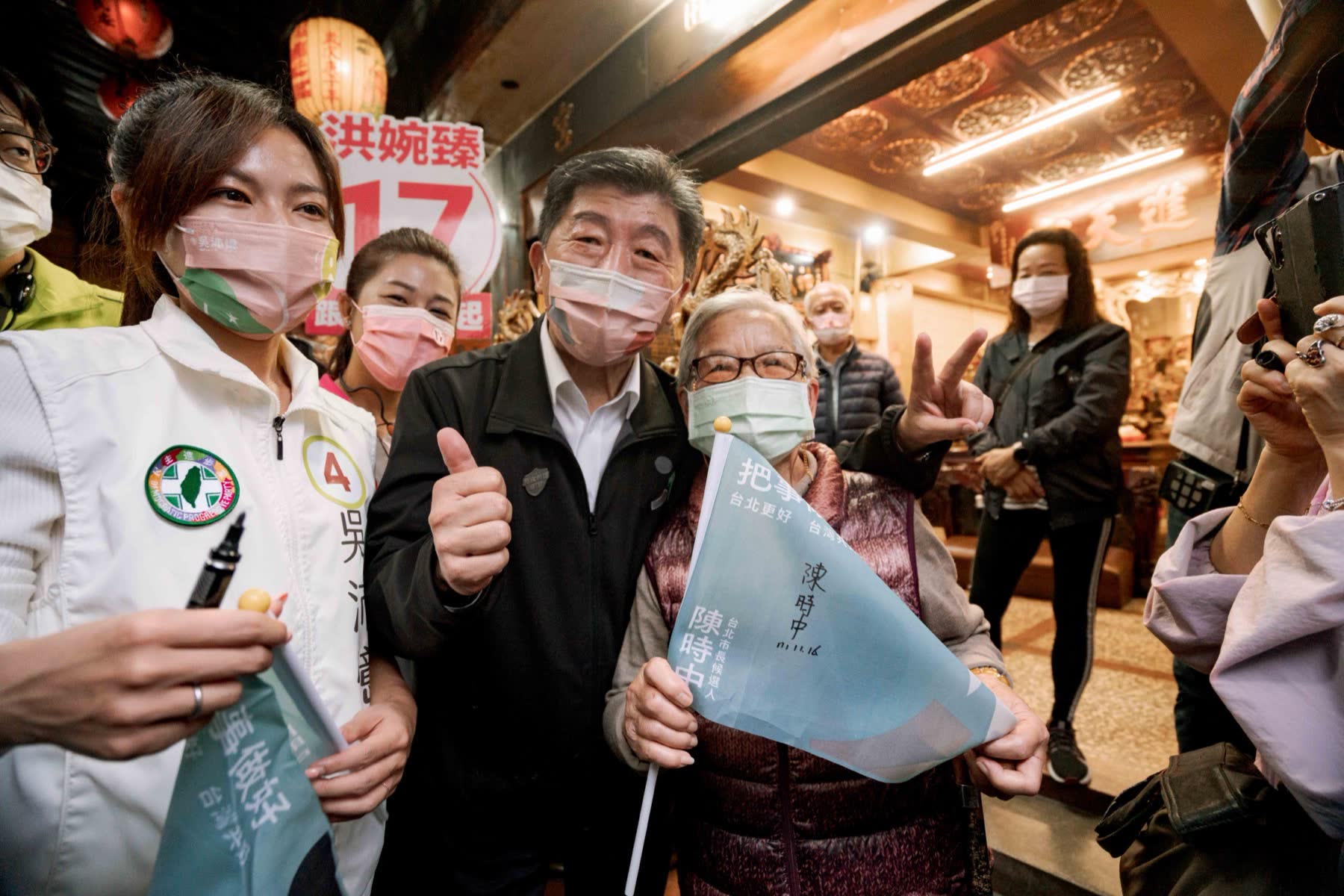
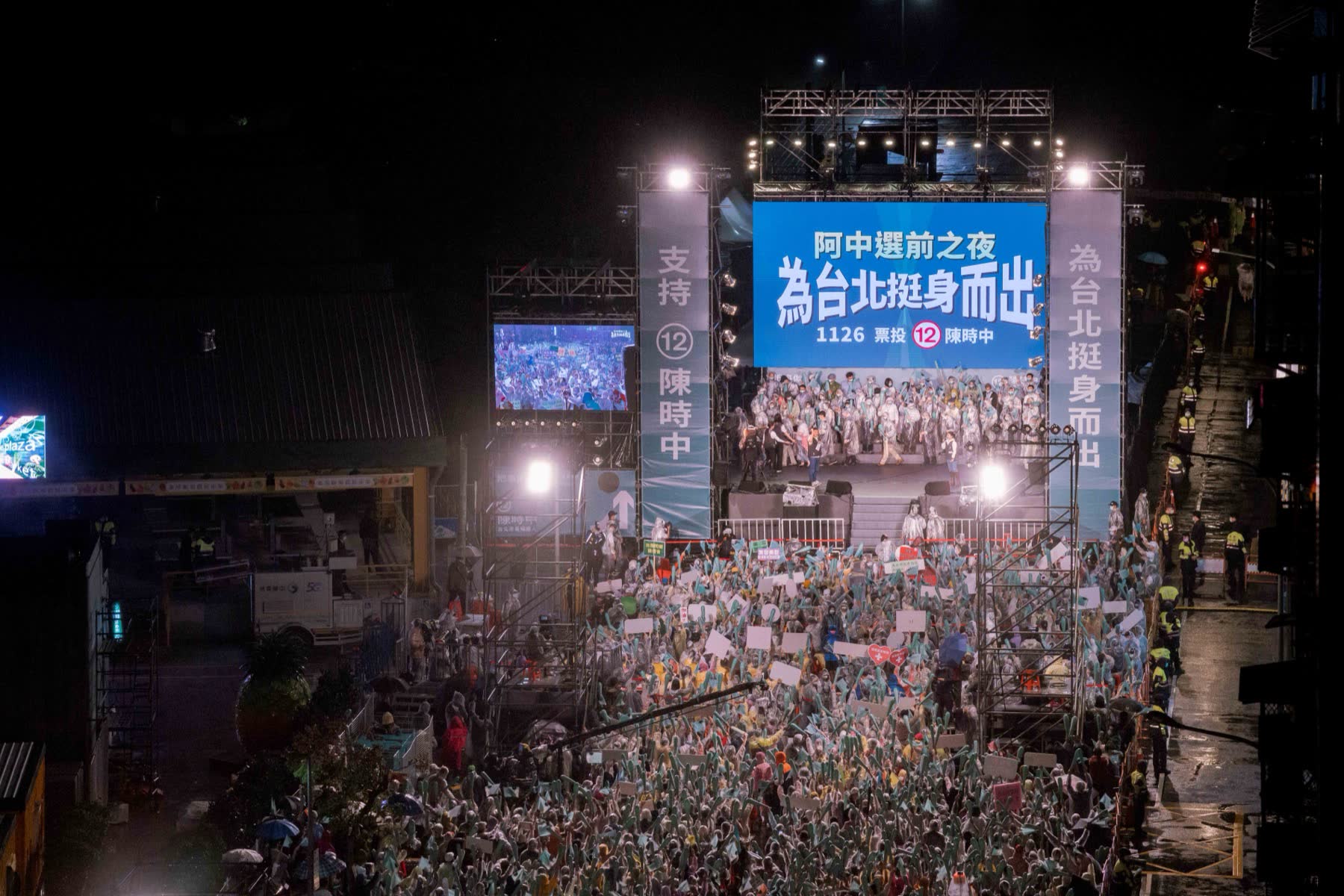
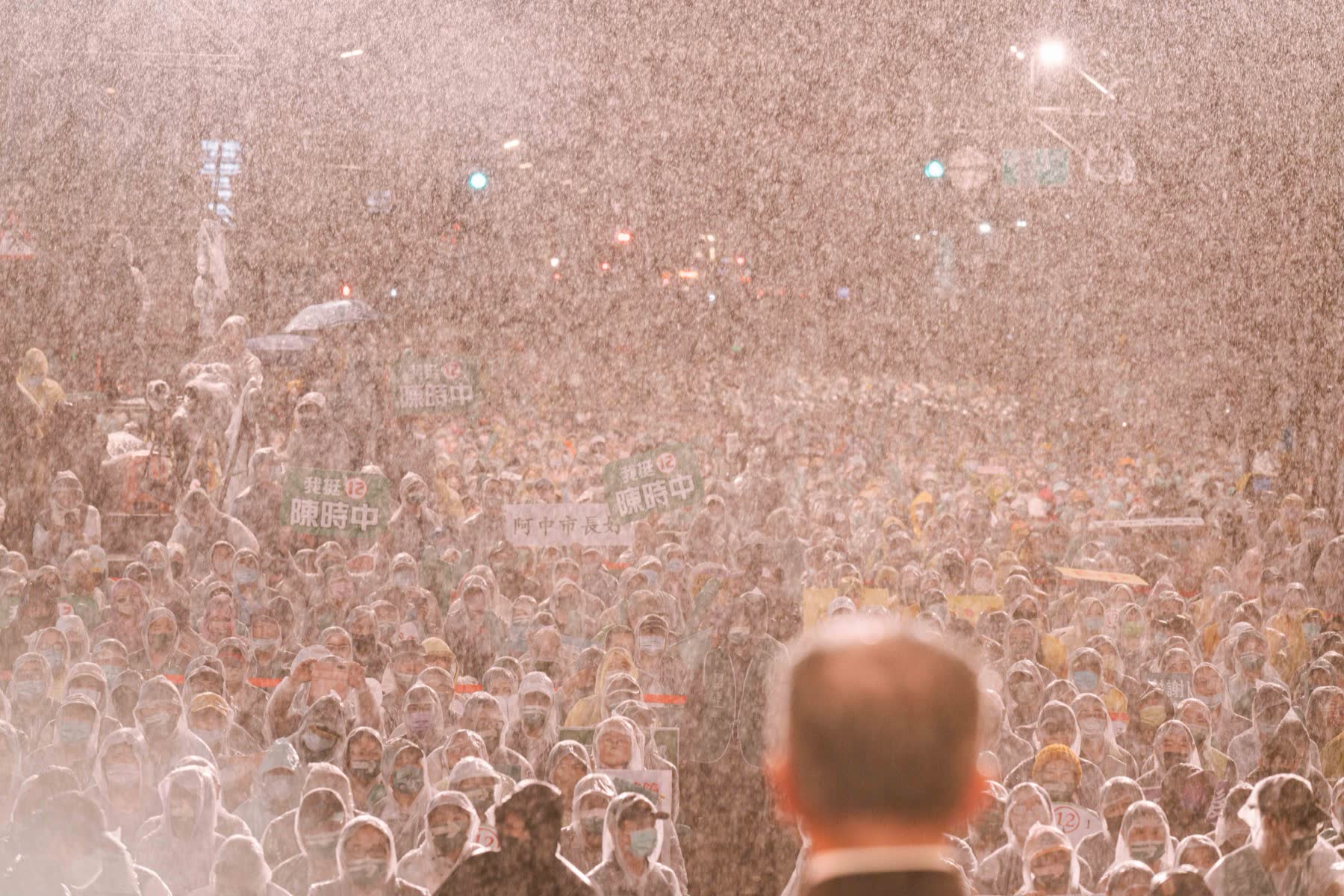
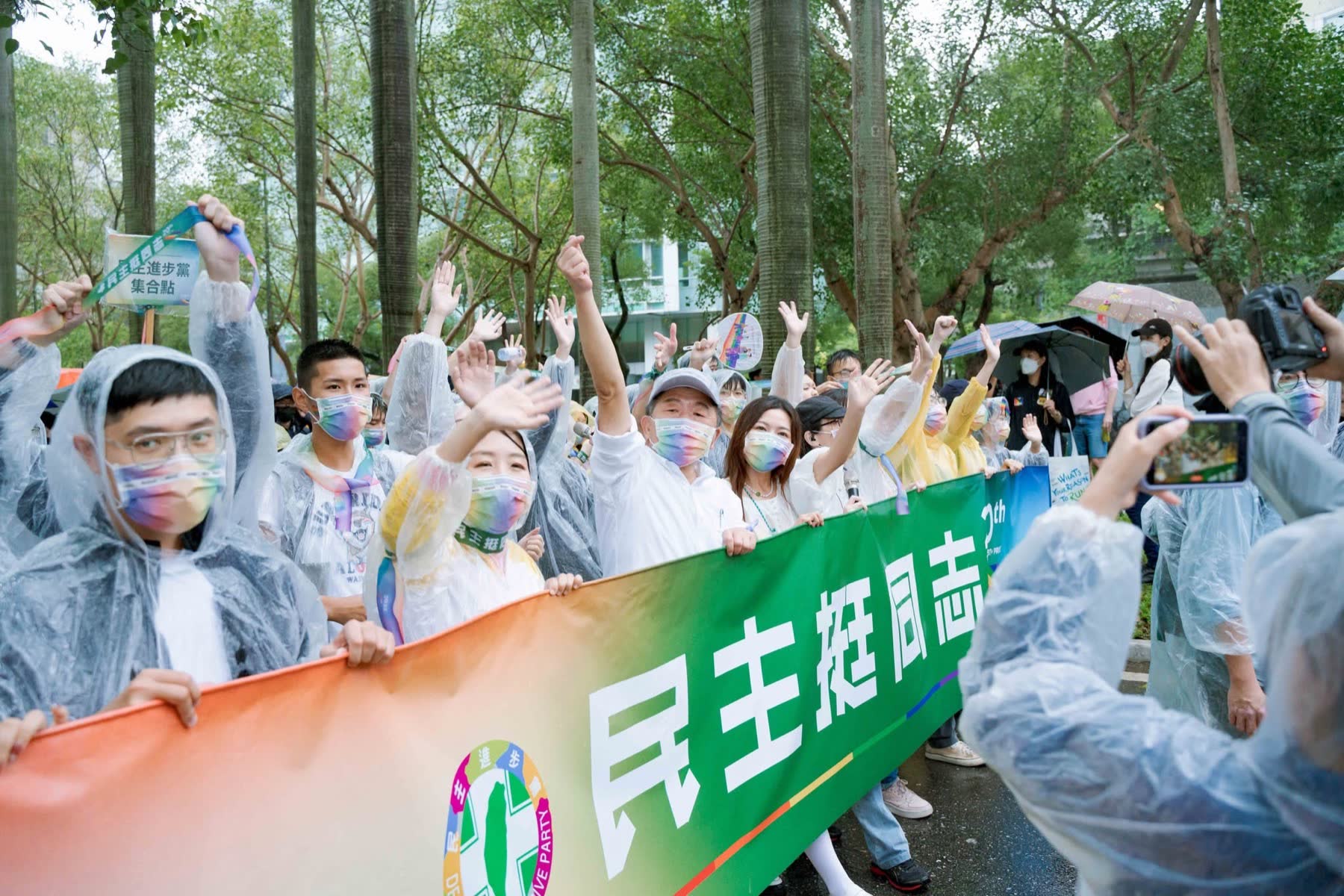
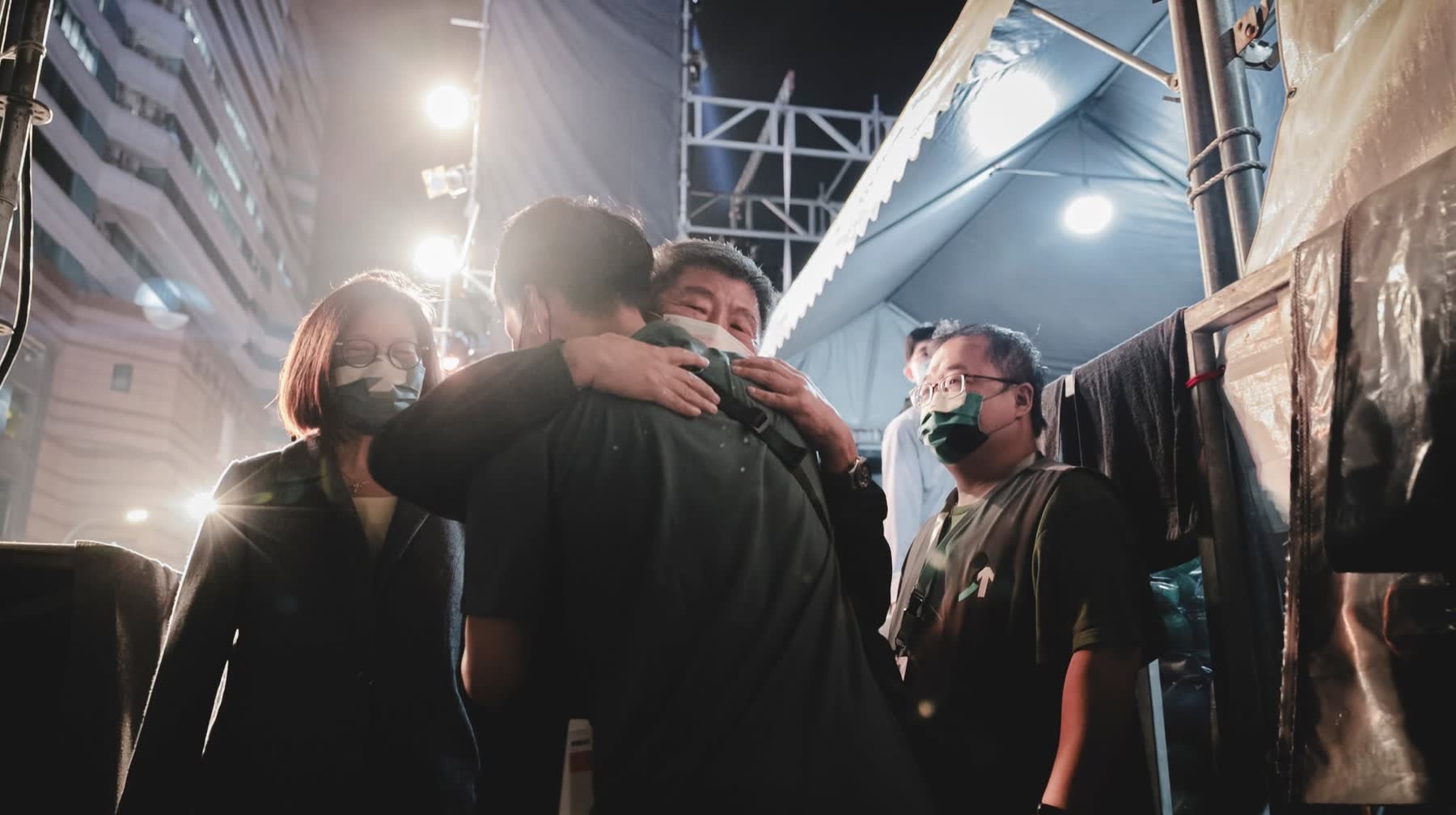
2022 年的台北市長選舉,我在陳時中競選團隊裡擔任隨車人員,主要負責宣傳車上的影像與文宣產出。
這個位置的特殊之處,不在於它有多重要,而在於它離核心決策者最近。
隨車人員真正的學習場域
工作職務上,我做的是影像跟文宣 — 拍攝候選人的現場樣貌、即時產出社群素材、配合車隊節奏輸出物料。
但每天從早跑到晚、在同一台車上待著,我實際上得到的是另一份禮物:近距離觀察他們怎麼決定事情。
- 一個突發狀況進來,他們如何在 30 秒內判斷要不要回應、怎麼回應
- 一條輿論風向出現,幕僚怎麼拆解背後的動機、怎麼選回擊的角度
- 一個地方耆老擋下來說話,候選人怎麼讀懂對方真正在意的是什麼
這些不是書上能學的東西。坐在他們旁邊,聽他們講話、看他們皺眉、看他們轉念,是我那段時間最寶貴的收穫。
在地組織與台北各區的脈絡
跑完整個選戰,我也意外地完成了「台北各區的田野走讀」。
每天跟著車隊穿越行政區、進到不同的社區、面對不同的在地組織。每個里、每個市場、每個廟宇背後都有它自己的人脈網絡跟議題敏感點。一場掃街下來,我會記住的不是當天拍了什麼,是 — 這個里長對哪些事情特別有意見、那個市場的攤商真正在乎什麼。
這份「在地脈絡感」後來變成我做選戰類影像服務時的隱性資產。再回到任何選區現場,我已經知道這個場域有它自己的邏輯,不只是拍個畫面就好。
影像在這段經驗裡的位置
回頭看,2022 的工作職務是影像跟文宣 — 影像本身一樣重要,那是我交出去的成品。
但對我這段經驗的個人價值來說,真正收穫最多的不是按下快門那一刻,是貼近地方、貼近決策現場的這段距離:
- 對決策邏輯的近距離觀察
- 對台北在地組織的脈絡熟悉度
- 對選戰節奏與壓力的肌肉記憶
這些是同樣坐在影像位置上,但跳出影像職務本身、再多走一步才會拿到的東西。後來在 2024 總統大選,這些累積變成可以擴大規模、可以制度化的能力。
有選戰類影像服務需求,聯絡我們 — 48 小時內回覆。
English
In the 2022 Taipei mayoral election, I worked as an embedded crew member on the campaign vehicle for candidate Chen Shih-chung, primarily responsible for photography and communications output on board.
What made this position distinctive wasn’t its importance — it was that it put me closer to the core decision-makers than almost any other role.
Where the Real Learning Happened
On paper, my job was images and communications materials: shooting the candidate in the field, producing social media content in real time, and delivering assets in sync with the campaign vehicle’s schedule.
But spending every day from morning to night on the same vehicle gave me something else entirely: a front-row seat to how they made decisions.
- When a sudden situation broke, I watched them decide within 30 seconds whether — and how — to respond
- When a wave of public sentiment shifted, I watched staff dissect the motives behind it and choose an angle to counter
- When a local elder stopped the motorcade to speak, I watched the candidate read what that person actually cared about
None of this is something you learn from a book. Sitting beside them, listening to how they talked, watching them frown, watching them change their minds — that was the most valuable thing I took from that period.
Local Networks and Taipei’s Neighborhoods
By the end of the campaign, I had also, almost by accident, completed a field survey of every district in Taipei.
Every day the motorcade moved through different administrative districts, different communities, different local organizations. Every neighborhood, every market, every temple carries its own network of relationships and its own sensitivities. What stuck with me after a day of canvassing wasn’t what I’d shot — it was which issues a particular neighborhood chief cared most about, or what the vendors at a particular market actually worried about.
That sense of local context later became a hidden asset in my work on political and campaign-related visual projects. Walking into any electoral district now, I already understand that this environment runs on its own logic — it’s never just about capturing a shot.
Where the Photography Fit Into This Experience
Looking back, the job in 2022 was photography and communications — the images themselves mattered just as much; they were the deliverable I handed over.
But in terms of personal growth, what I gained most wasn’t the moment I pressed the shutter — it was the proximity to the ground, to where decisions were actually made:
- Close-up observation of decision-making logic
- Familiarity with the local networks across Taipei
- Muscle memory for the rhythm and pressure of a campaign
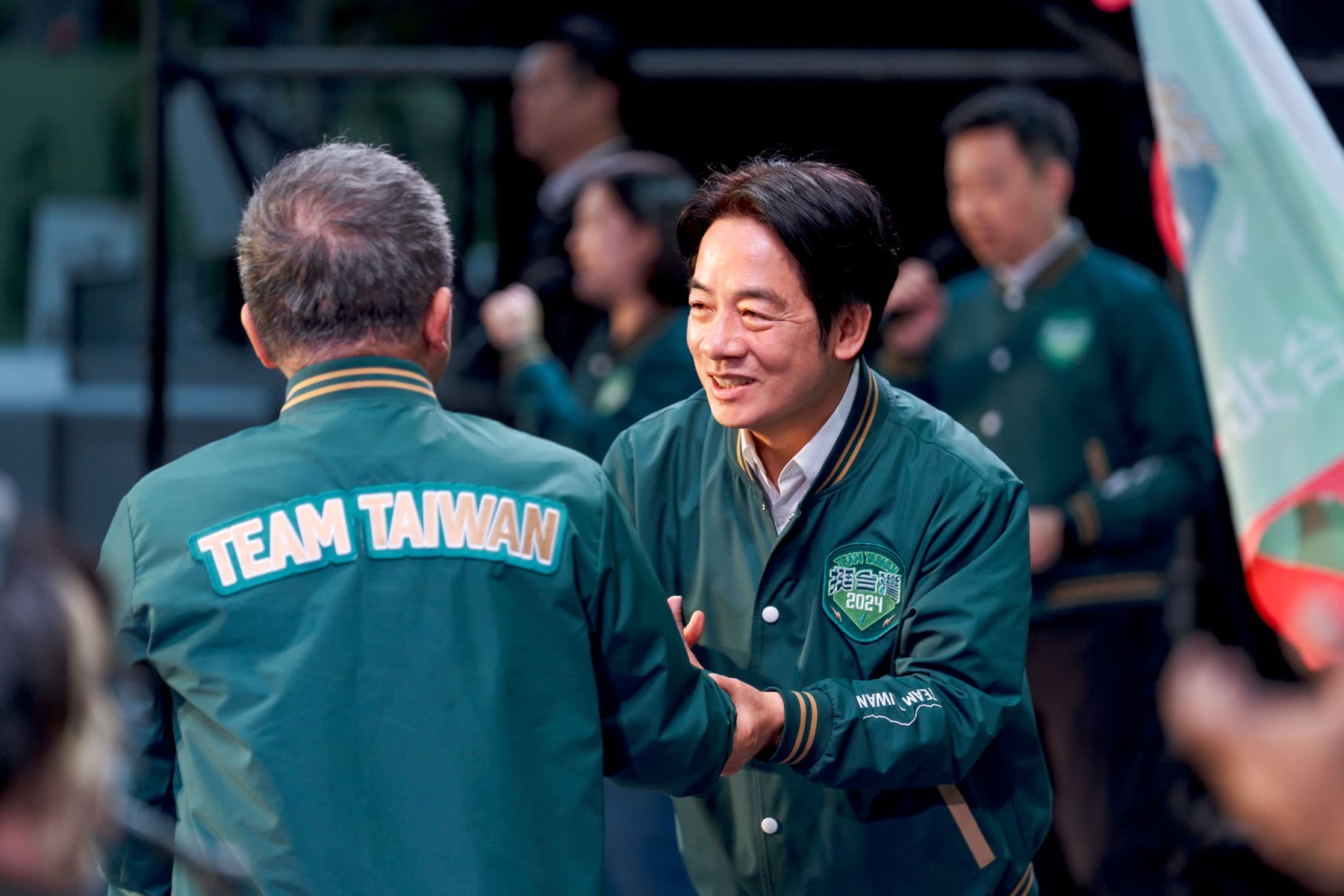
These are things you only get by stepping beyond the photography role itself, while still standing in that position. Later, in the 2024 presidential election, this accumulated experience became something that could scale — and be turned into a system.
Need visual production support for a political campaign? Contact us — we respond within 48 hours.